

Navigating the challenges of the Autumn Budget for Social Care
20th Nov 2024

20th Nov 2024
Reflecting on the recent Chancellor’s Autumn Budget announcement, it’s clear that the social care sector faces significant challenges ahead. At Adaptive Care, we recognise the increasing expectations from residents and their families, the stricter quality standards, and the mounting pressure to enhance efficiency all while reducing costs.
One of the most pressing changes is the rise in employers’ National Insurance contributions by 1.2% to 15%, alongside a reduction in the earnings threshold from £9,100 to £5,000. This increase will place further financial strain on care providers across the UK, already struggling with tight budgets.
Additionally, the National Living Wage will see a 6.7% increase, reaching £12.21 for those aged over 21 and £10 for those over 18. While this is a step towards fair compensation for care workers, it also raises the question of how care homes can sustain these wage increases amidst rising operational costs.
According to the National Care Forum (NCF), the Office for Budget Responsibility (OBR) has calculated that national insurance measures will cost an average of £800 per employee. With 1.59 million care workers in England, the budget allocated in the Local Government Settlement—divided between adult and children’s services—falls short of covering the increase in National Insurance Contributions (NICs), not to mention the broader urgent stabilisation required.
And while the new budget introduces a handful of changes that will require us all to adapt to, it’s not all negative. The government has announced £600 million in new local government grant funding for social care and an £86 million increase to the Disabled Facilities Grant.
At Adaptive Care, we are dedicated to working in partnership with the NHS and social care organisations to support health and social care professionals in improving well-being for all through quality technology. Our innovative solutions including CLB Acoustic Monitoring and Nurse Call Systems and BookJane Workforce Management Platform are designed to ease the burden on care homes, particularly in this challenging financial climate.
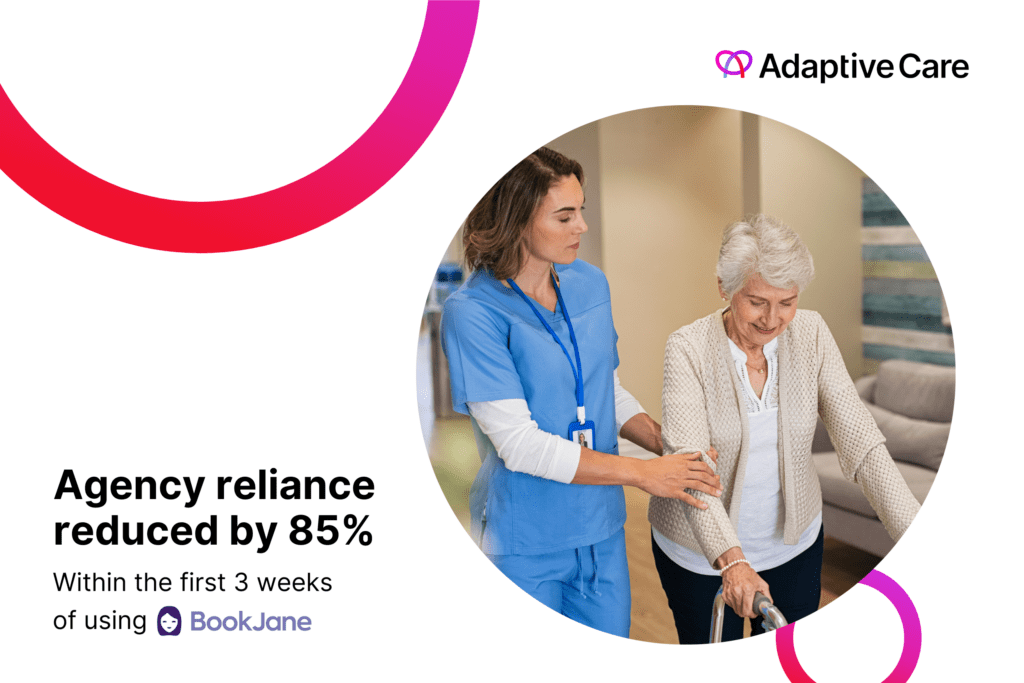
Streamlining workforce management with BookJane can address concerns about high staff turnover and costly agency bills. One care provider reduced their agency spend by approximately £4 million in under a year with BookJane, while another experienced increased staff retention, a 90% reduction in administration time and a 60% boost in shift fulfilment with a saving of £1 million across their homes. This unique platform prioritises excellent resident care, optimises staffing, and enhances care delivery. By increasing efficiency in rota management, reducing reliance on agency staff and improving resident satisfaction through consistent care and familiar faces, BookJane proves to be an invaluable tool for any care environment.
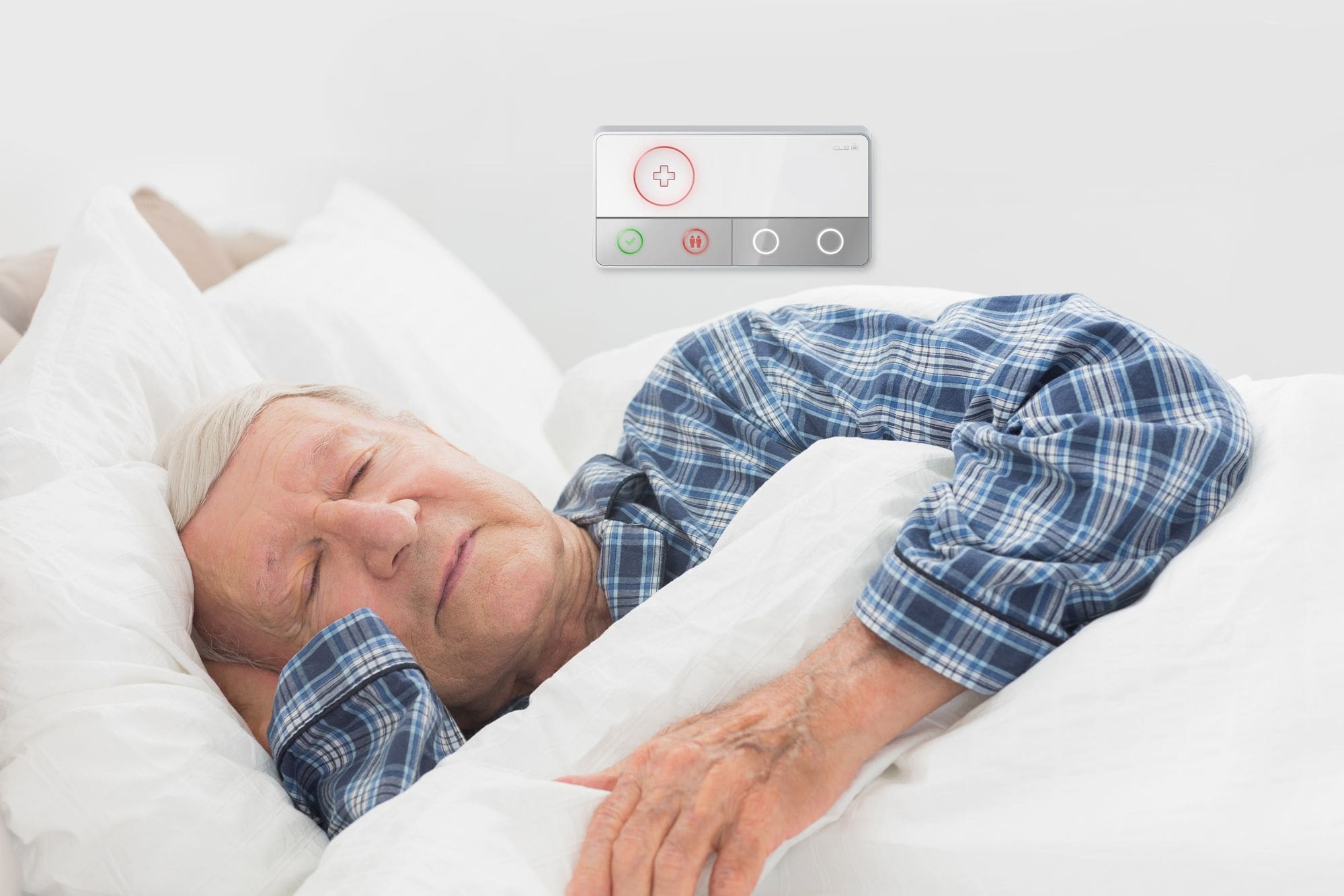
Our CLB Acoustic Monitoring and Nurse Call systems, non-intrusively monitor sleeping residents and alert staff when sound levels exceed set thresholds. These technologies reduce the need for frequent night-time checks, which can be disruptive in nature and invade residents’ privacy as well as being strenuous and time-consuming to care staff. Reducing unnecessary routine night-time checks by up to 80%, we not only enhance the residents’ quality of sleep but also allow staff to focus on those who need immediate assistance.
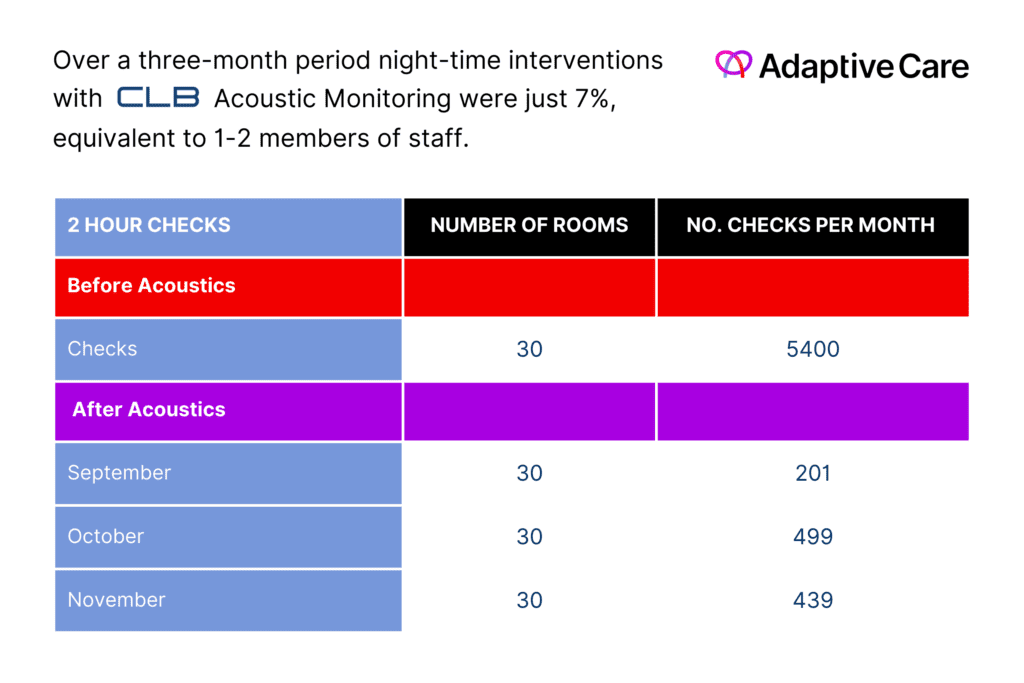
The benefits of our smart-care technology extend far beyond convenience, not only does it improve care quality, but it also boosts staff morale and significantly reduces operational costs. Our solutions allow care providers to future-proof their investments while enhancing care delivery. In a nutshell, we help you introduce more hours into the business and support you in delivering the best care possible.
As we move forward, Adaptive Care remains committed to leveraging technology to meet the evolving needs of the social care sector. Together, we can navigate these challenges and continue to provide exceptional care to those who depend on us.
For further information about how we can help your care environment contact our friendly team today.

We need your voice! A crucial petition is circulating to exempt all social care providers from the upcoming National Insurance increases set to take effect in April 2025.

The NCF Hubble project offers senior decision-makers, commissioners and policymakers the chance to learn how care providers have introduced, used and evaluated digital technology to improve care.

Acoustic monitoring can help improve the sleep quality within care environments. We explain why sleep is so important for residents and explore 6 ways that acoustic monitoring in care homes can help improve sleep in older adults.

We are thrilled to announce that Adaptive Care has been nominated for the prestigious Leaders in Care Innovative Solutions – Care Homes Award 2024!

