
A guide to fall prevention in care homes
16th Apr 2024
Fall prevention is important in care homes for several reasons, including resident wellbeing, reducing hospital admissions and ensuring a high quality of care within a care home. Ambulance trusts have revealed, that on average there are 2,799 calls for falls related injuries a day and almost £1 billion has been spent on ambulance calls for falls over the past four years.
Take a look at the main benefits of a fall prevention strategy below:
Fall prevention strategies focus on preventing the likelihood of a fall in the first place by identifying risk factors in the care home setting, complimenting a proactive care strategy. Age-related physiological changes, medical conditions and certain medications can put residents at an increased risk of falls and fall related injuries. Read more on the risk factors for falls on the NHS site.
Falls can result in serious injuries, loss of independence and decreased quality of life for care home residents. An effective fall prevention strategy can ensure the safety and health of your care home residents and reduce the risk of injury, maintaining the physical and psychological wellbeing of residents.

The healthcare costs associated with treating fall-related injuries, such as hospitalisations, rehabilitation and ongoing care, can be substantial. Having a fall prevention strategy in place can be more cost-effective than detecting and managing falls after they occur.
Care providers need to follow legal and regulatory guidance when it comes to fall prevention. The Health and Safety Executive states that at-risk individuals need to be identified and a plan put in place to prevent falls.
Residents and their families expect care facilities to prioritise health and safety and to take proactive steps to prevent accidents and injuries. By emphasising fall prevention, care homes will improve their reputation and maintain the trust of residents and their families.
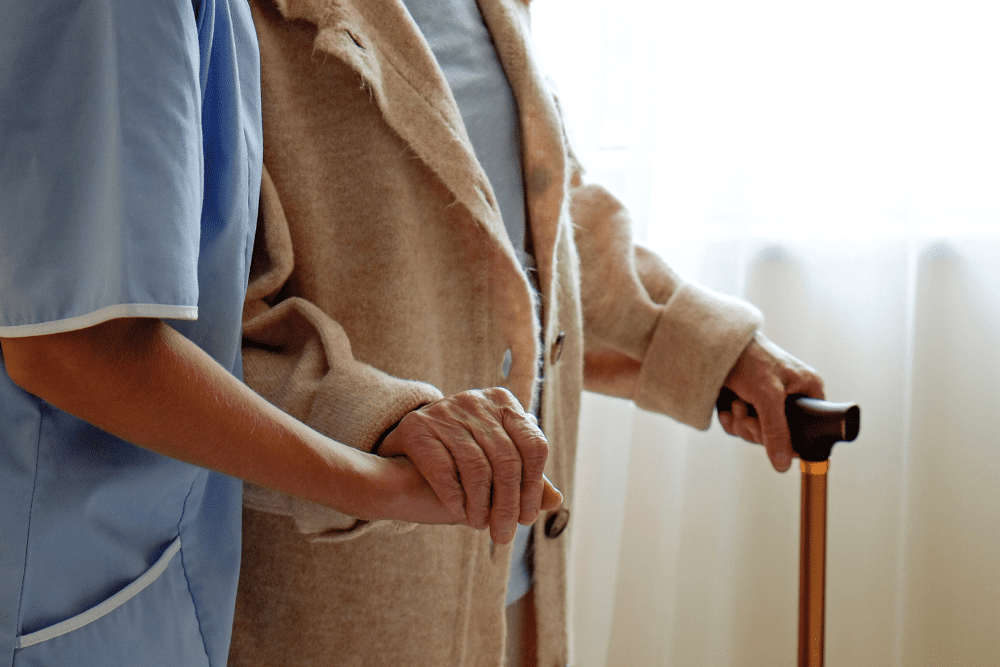
Acoustic monitoring plays a significant role in supporting fall prevention strategies in care environments in the UK. Here are 6 main benefits:
1. Prevention of falls
Acoustic monitoring systems are designed to detect various sounds, such as a resident in distress, cries for help, the rustling of a duvet, or resident movement. These systems provide early indicators of a resident potentially getting out of bed. These early warnings are crucial for fall prevention, as they may otherwise go unnoticed until after a resident has already fallen, resulting in an injury or a hospital admission.
2. Timely intervention
With acoustic monitoring, staff are alerted immediately when a concerning noise is detected, enabling the staff to quickly intervene and prevent an incident or fall occurring. This rapid response can minimise the potential for serious injury resulting from a fall and can improve the overall care delivery to residents.
3. Continuous monitoring
Providing continuous surveillance of residents, even during periods where staff may not be directly observing them, acoustic monitoring systems help with maintaining constant vigilance when it comes to fall prevention and not just when staff would be in the room for checks.
4. Personalised care
Acoustic monitoring can be integrated with other monitoring technologies and resident care plans to provide highly personalised care. By analysing patterns of activity and behaviour, acoustic monitoring systems can help identify residents who may be at increased risk of falling and enable staff to implement targeted interventions as part of a fall prevention plan.
5. Data analysis and insights
Fall prevention with acoustic monitoring is made easier with data analysis and insights. Acoustic monitoring systems can collect data on falls and near-misses over time, allowing care facilities to identify trends and patterns that may indicate areas for improvement in their fall prevention plans. By analysing this data, care providers can refine their protocols and procedures to better protect residents from falls.
6. Staff training and support
By providing real-world examples of falls and near-misses captured by the monitoring system, acoustic monitoring systems can be used as a tool for staff training and support in fall prevention. Staff can learn to recognise the signs of a fall and practice appropriate response protocols.
At Adaptive Care, we provide acoustic monitoring to care homes and healthcare providers across the UK, supporting the industry when it comes to their fall prevention strategies.
Our acoustic monitoring systems are designed to extremely high specifications, allowing them to fit seamlessly into your care environment.
For more information, get in touch today.
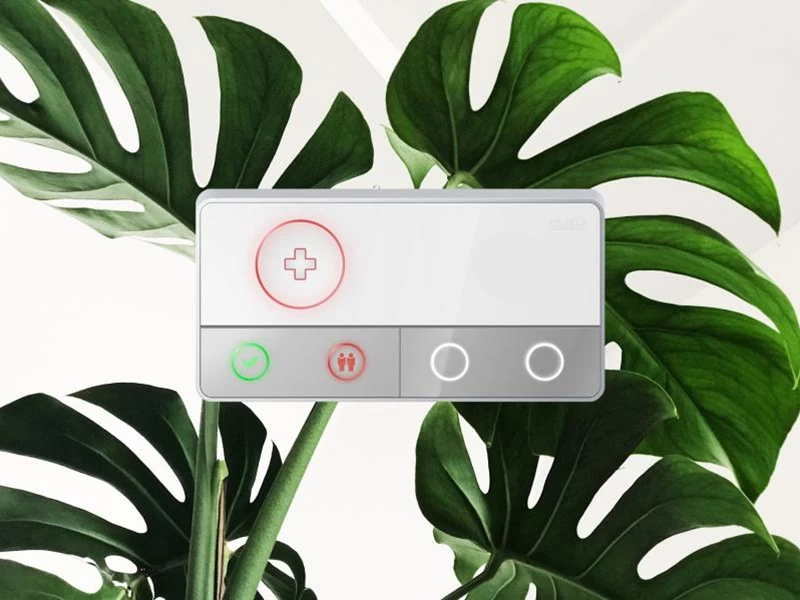
The C-series is CLB’s latest line with a smooth and wordly feel. Experience nurse call and acoustic monitoring in a modern jacket!
At Adaptive Care, we provide acoustic monitoring to care homes and healthcare providers across the UK, supporting the industry when it comes to their fall prevention strategies. An effective fall prevention strategy can ensure the safety and health of your care home residents and reduce the risk of injury, maintaining the physical and psychological wellbeing of residents.

The NCF Hubble project offers senior decision-makers, commissioners and policymakers the chance to learn how care providers have introduced, used and evaluated digital technology to improve care.

We are honoured to have been shortlisted in the “Innovative Solutions for Care Homes” category at the 2021 Leaders in Care Awards.

